Import from India ● China+1 Strategy
Compare India vs China sourcing for 2026, including costs, lead times, compliance and risk. Discover why India is emerging as a preferred China+1 partner and how Newton Exports simplifies cross‑border deals.
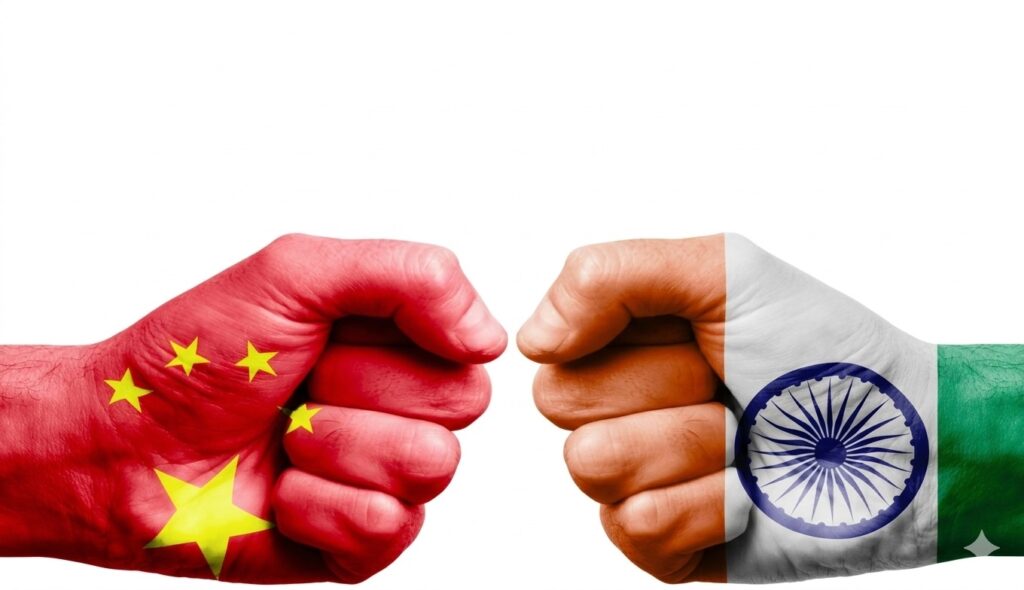
The India vs China sourcing debate has moved from “either/or” to “China plus where?” In 2026, many global buyers are formalizing a China+1 strategy, with India emerging as a top‑tier alternative manufacturing base.
The India vs China sourcing debate has moved from “either/or” to “China plus where?” In 2026, many global buyers are formalizing a China+1 strategy, with India emerging as a top‑tier alternative manufacturing base. India’s engineering‑goods exports now represent over 26% of total merchandise exports, a record US$ 116.7 billion in FY25, demonstrating the country’s growing industrial depth and export capability.[ibef.org:10][ibef.org:19] For procurement managers conducting early research, understanding how India compares with China on cost, quality, logistics, and risk is essential to supply‑chain resilience.
This post breaks down India vs China sourcing for 2026, maps India’s role in the China+1 conversation, and shows how Newton Exports can help global buyers structure multi‑country sourcing strategies that balance risk and cost.
The Big numbers
India vs China sourcing: The big‑picture numbers
Global trade data shows that China remains the world’s largest exporter, but India is gaining share in high‑value categories such as engineering goods, chemicals, and capital equipment.
Key points:
- India’s engineering exports reached US$ 116.67 billion in FY25, up more than 6% year‑on‑year, far outpacing overall merchandise‑export growth.
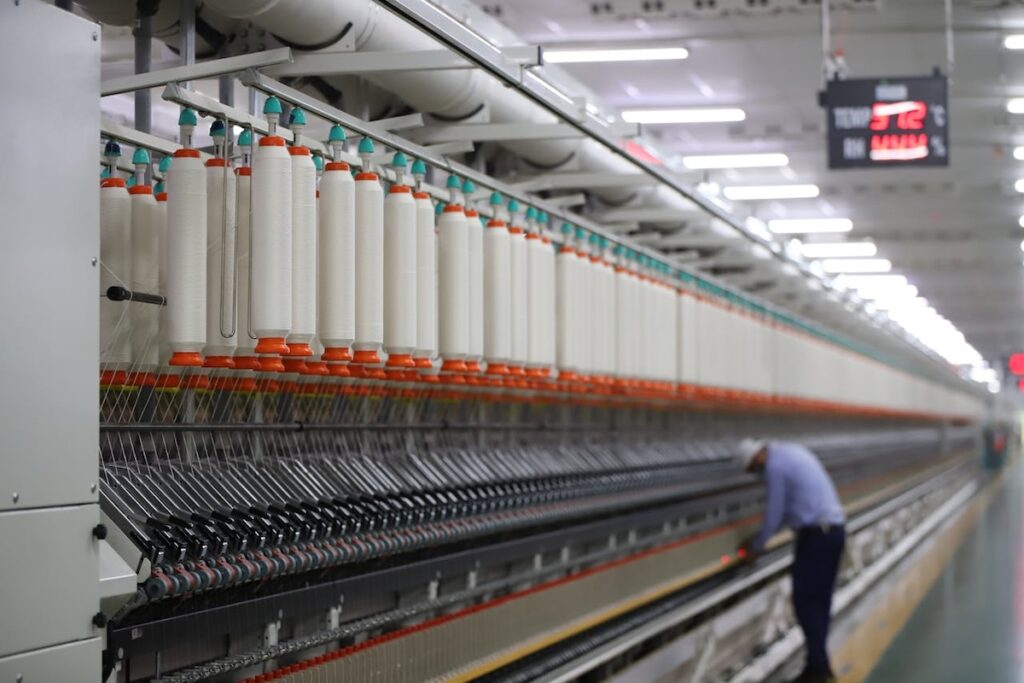
- Engineering goods now account for 26.7% of India’s total merchandise exports, compared with China’s higher volume but more concentrated consumer‑electronics and textile‑driven mix.
For buyers weighing India vs China sourcing, these figures signal that India is not just a low‑cost adjunct but a serious, diversified manufacturing base with growing export maturity.
All the differences
1. China vs India: Cost structure and MOQs
When comparing India vs China sourcing, many buyers initially focus on unit price alone. However, total landed cost, including logistics, tariffs, and risk mitigation, matters more over time.
- China often offers lower unit costs for high‑volume, mass‑produced consumer goods, thanks to highly optimized supply chains and scale.
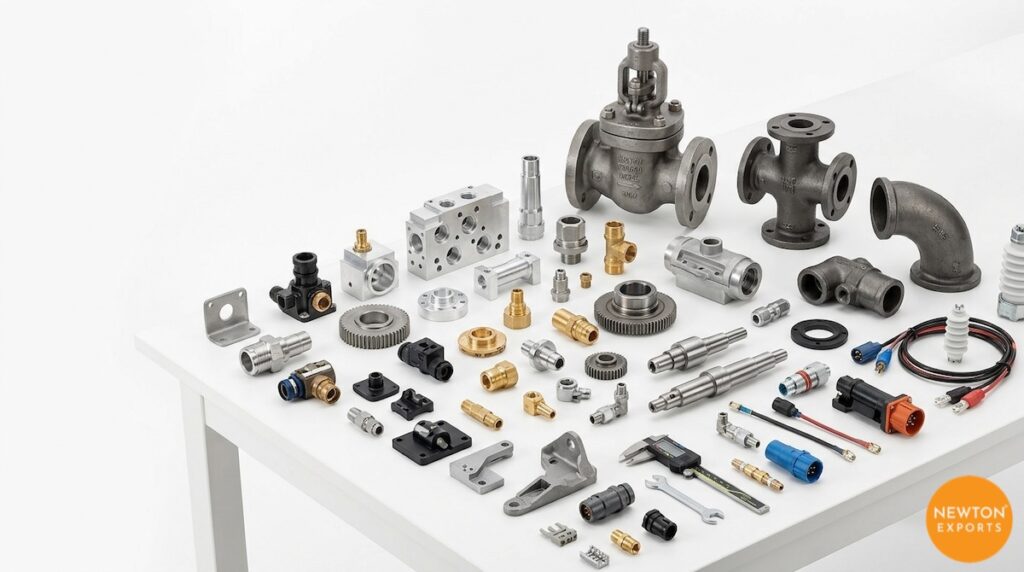
- India can offer competitive pricing in medium‑ and high‑value engineering goods, with lower MOQs and more flexible production runs than many Chinese factories, especially in niche machinery, capital equipment, and automotive components.
Newton Exports specializes in engineering goods from India amongst other categories, helping buyers compare total‑cost models across India vs China sourcing and identify where India’s cost‑quality‑risk profile is superior.
2. Lead times, logistics and routes
Another key India vs China sourcing consideration is lead time and shipping routes.
- China generally has faster domestic production cycles and well‑establish integrated logistics for many categories, but longer sea‑transit times to Europe and the Americas than India in some corridors.
- India offers shorter sea‑transit times to Europe, the Middle East, and parts of Africa, which can reduce inventory‑holding costs and improve responsiveness in a China+1 strategy.
Newton Exports can map out India vs China sourcing logistics for your target markets, including multimodal routes, port‑clearance considerations, and how to optimize warehouse and inventory planning in a mixed‑sourcing model.
3. China+1 and India’s role in 2026
The China+1 strategy aims to reduce over‑reliance on a single sourcing geography while preserving cost efficiency and quality. In 2026, India is becoming a preferred China+1 partner because of:
- A large, English‑speaking workforce and strong engineering‑talent base.
- Growing trade agreements, including FTAs with Australia, UK and the UAE, and ongoing negotiations with the EU and others, which improve duty‑advantage opportunities.
- Government initiatives such as Make in India, PLI schemes, and export‑promotion programs that support capital‑goods and advanced‑manufacturing exports.
Buyers pursuing India vs China sourcing within a China+1 framework can use Newton Exports to identify India‑based suppliers that complement existing Chinese sourcing without disrupting operations.
4. Quality, compliance and risk
Regulatory and geopolitical risk is a major factor in India vs China sourcing decisions.
- China faces increasing scrutiny on data security, IP, and geopolitical tensions, pushing some buyers to diversify.
- India offers a more familiar legal and regulatory environment for Western buyers, with export‑compliance frameworks overseen by the Ministry of Commerce and export councils such as EEPC India.
Newton Exports supports buyers in India vs China sourcing by helping select suppliers with certified quality‑management systems, clear documentation, and strong export‑compliance practices.
Our Approach
How Newton Exports positions you in China+1
For buyers exploring India vs China sourcing in 2026 and beyond, Newton Exports serves as a China+1 implementation partner:
- We help you identify India‑based suppliers that match your existing Chinese‑sourced product profiles, prices and capability requirements.
- We manage technical alignment, documentation, and logistics so that shifting part of your order book to India feels seamless rather than risky.
There are also a wide range of products where India offers a significant advantage. India’s handicrafts, handlooms, fabrics, pharmaceuticals and auto ancillary components are of a high quality while being priced lower. As a partner, we can help you identify all these opportunities.

contact now
Try Sourcing from India - its easy
Want to turn the India vs China sourcing question into a concrete China+1 strategy?
Reach out to Newton Exports:
to discuss how India can complement your current Chinese‑sourced supply chain.
More from NEWTON GLOBAL CONNECT