
Custom product manufacturing in India has become a strategic advantage for businesses looking to scale production, access competitive pricing, and tap into a rapidly growing ecosystem of skilled manufacturers. From small consumer goods to highly engineered components, India offers a wide spectrum of capabilities. Yet, turning a product idea into a finished shipment requires more than finding a factory. It demands careful planning, clear communication, product development expertise, and strong quality-control processes, including thorough Indian factory audits.

Below is a practical guide to help businesses navigate the complete journey—from concept to export-ready goods.

The Rise of Custom Manufacturing in India

India’s manufacturing sector has expanded significantly over the past decade. Competitive labor costs, government incentives, and improvements in logistics have made the country a global hub for custom manufacturing. Businesses increasingly choose India for:

• Cost-effective production
• Strong engineering talent
• A wide range of manufacturing verticals (textiles, metals, plastics, electronics, home goods, and more)
• Growing compliance and export infrastructure

Still, the path from blueprint to finished product involves multiple steps that must be managed carefully to avoid delays, quality issues, or miscommunication.

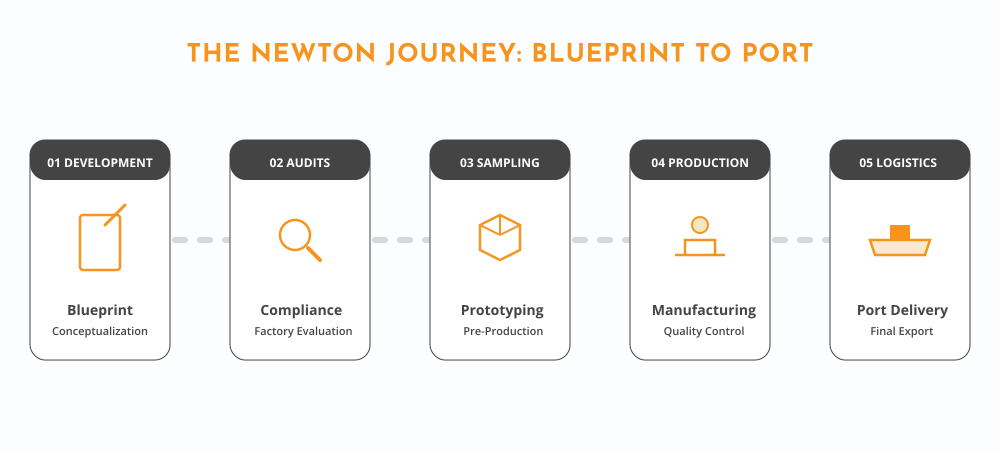
STAGE 1: PRODUCT DEVELOPMENT AND SPECIFICATIONS

Successful custom manufacturing begins long before any factory is selected. The first step is defining the product thoroughly.

Key components of strong product development:

The more complete the product documentation, the more accurate your quotes and timelines will be. Incomplete specifications often cause future adjustments, increasing cost and lead time.

STAGE 2: SUPPLIER SOURCING AND EVALUATION

India offers thousands of factories, but not all are suitable for every project. Supplier sourcing should consider factors such as:

Once potential partners are identified, conducting Indian factory audits is essential. On-site audits help verify:

STAGE 3: SAMPLING AND PROTOTYPING

Before mass production begins, prototypes and pre-production samples are used to confirm that the manufacturer understands the design.

A typical sampling process includes:

This stage is critical for custom manufacturing in India because it highlights potential challenges early and allows both sides to align on the final product.

STAGE 4: MASS PRODUCTION AND QUALITY CONTROL

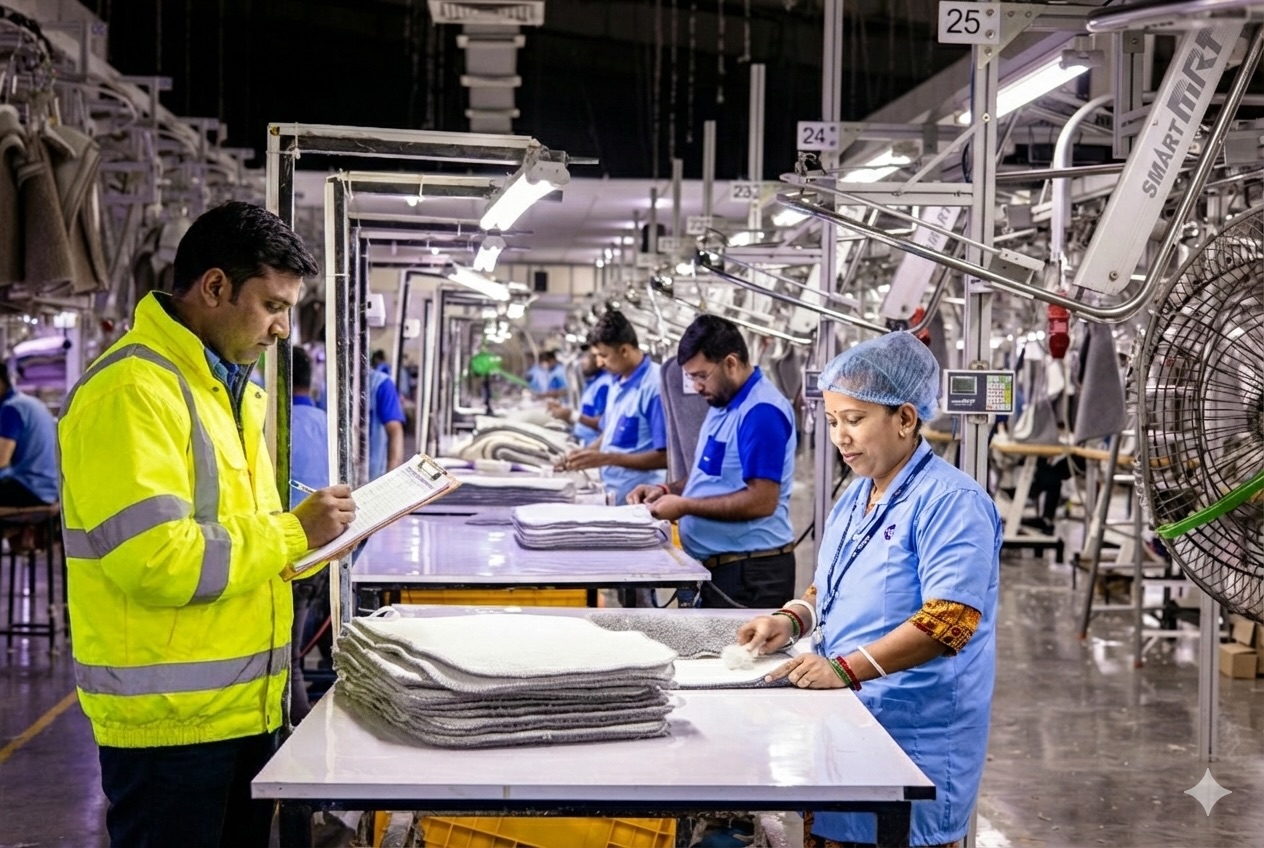
Once the sample is approved, full production begins. This stage requires structured quality-control checkpoints to maintain consistency.

Common QC measures include:

Quality issues caught late can lead to costly rework or delays, so proactive monitoring is essential.

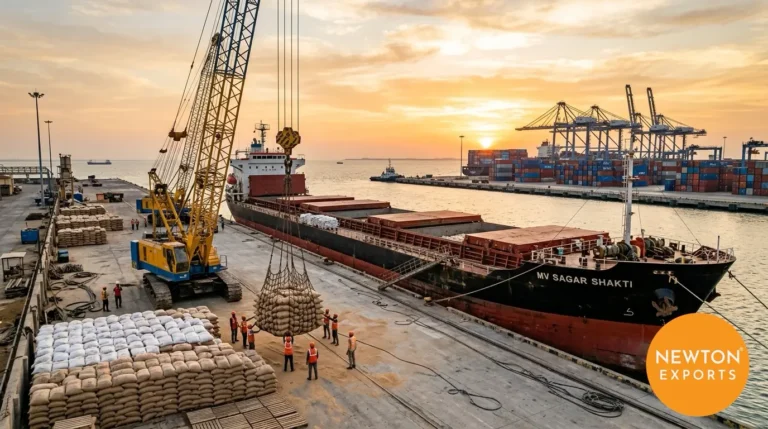
STAGE 5: LOGISTICS, PACKAGING, AND EXPORT PREPARATION

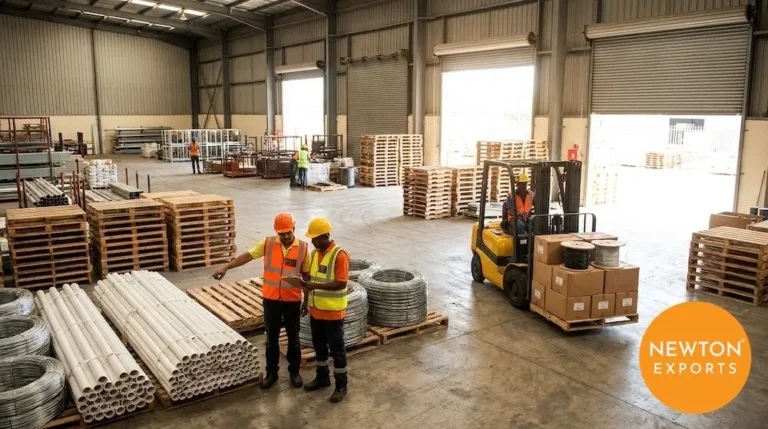
Once production is finished, the goods must be prepared for export. This involves:

Working with a team experienced in Indian export logistics ensures a smooth transition from factory to port.

THE ROLE OF A SOURCING PARTNER

Many companies choose to work with a sourcing and manufacturing partner such as Newton Exports to manage the entire process. A partner can assist with:

This reduces risk and ensures that communication between the brand and the manufacturer stays clear and consistent.

Safeguarding Innovation: Protecting Your IP in India

For global brands, the security of their designs is as critical as the quality of the finished product. A common concern when engaging in custom manufacturing is the risk of Intellectual Property (IP) theft. Fortunately, India’s legal framework is TRIPS-compliant and robust, offering strong protections for patents, trademarks, and industrial designs.

At Newton Exports, we treat your proprietary information with the highest level of confidentiality. Our process begins with legally binding Non-Disclosure and Non-Circumvention Agreements (NNAs) tailored specifically for the Indian legal system. We only partner with vetted manufacturers who have a proven track record of respecting client confidentiality.

Beyond paperwork, we implement practical “on-the-ground” safeguards. This includes ensuring that technical blueprints, molds, and proprietary tooling are only accessible to essential production personnel and are secured post-production. By combining local IP registration with active factory monitoring, we ensure your brand’s most valuable assets remain yours alone.

Final Thoughts on Custom Product Manufacturing in India

Custom product manufacturing in India offers tremendous potential for brands around the world. With strong planning, factory audits, and ongoing quality oversight, businesses can transform a blueprint into a finished product ready for global distribution. The right processes—and the right partners—make the journey from concept to port not only manageable but highly efficient.

If you’re exploring product development or custom product manufacturing in India, Newton Exports provides end‑to‑end support to help you scale with confidence.

Tarpaulin from India

Tarpaulins from India: Cross-Laminated vs Woven Coated — What Buyers Need to Know

Tarpaulins from India represent exceptional value when sourced correctly.
Newton Polypropylene Spunbond Non-Woven Fabric

Polypropylene Spunbond Non-Woven Fabric: The Global Buyer’s Guide to Sourcing from India

Discover everything buyers need to know about sourcing polypropylene spunbond non-woven fabric from India — specs, GSM ranges, certifications, applications and top importing countries.
Indian Forging Industry

Forging the Future: Why the World is Turning to Indian Forging Industry

Indian forging industry is booming. Explore top export countries, essential HS codes for forged components, and how Newton Exports acts as your strategic partner,
New Zealand India FTA

New Zealand India Free Trade Agreement: What It Means for Importers

New Zealand India FTA - the most significant takeaway for Kiwi businesses is the shift to Zero-Tariff trade.
India vs China Sourcing

India vs China Sourcing

Compare India vs China sourcing for 2026, including costs, lead times, compliance, and risk. Discover why India is emerging as a preferred China+1 partner
india manufacturing export

How to Find a Reliable Supplier in India

Learn how procurement managers can identify a reliable supplier in India, from verifying credentials to vetting quality and logistics partners, with data‑backed sourcing tips for