
Polypropylene Spunbond Non-Woven Fabric: The Global Buyer’s Guide to Sourcing from India

Discover everything buyers need to know about sourcing polypropylene spunbond non-woven fabric from India — specs, GSM ranges, certifications, applications, and top importing countries.

Why Polypropylene Spunbond Non-Woven Fabric Dominates Global Trade

Polypropylene spunbond non-woven fabric is the workhorse of modern industrial and consumer manufacturing. If you are a procurement manager, importer, or product developer, understanding this material fully — beyond a brochure — can mean the difference between a winning product and an expensive specification error.

This guide covers what brochures rarely have room to tell you.

What Exactly Is Spunbond PP Fabric?

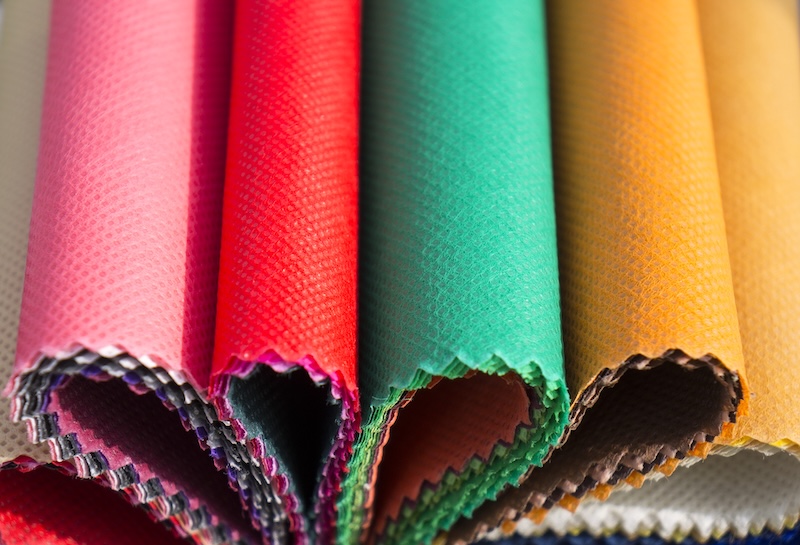
Spunbond non-woven fabric is produced by extruding continuous polypropylene filaments, laying them randomly onto a conveyor, and thermally bonding them using heated calender rolls — no stitching, no weaving. The result is a uniform, lint-free, breathable sheet with consistent mechanical properties in all directions. GSM (grams per square metre) is the primary specification variable and determines tensile strength, softness, and opacity. Common commercial ranges run from 10 GSM (light hygiene coverstock) to 150 GSM (heavy geotextile).

Key Technical Specifications Buyers Must Evaluate

Before placing any order, buyers should request test reports for the following parameters:

  • GSM tolerance (typically ±5% is acceptable; ±3% for medical or hygiene applications)
  • Tensile strength (MD and CD) tested per EDANA WSP 110 or ASTM D5035
  • Elongation at break — critical for stretch covers and medical drapes
  • Hydrostatic head (for liquid-barrier applications)
  • Air permeability — key for breathable furniture underlays
  • UV stabiliser content for outdoor landscaping grades
  • OEKO-TEX Standard 100 certification for skin-contact or food-adjacent products

Indian manufacturers offering OEKO-TEX-certified fabric source from certified resin suppliers and maintain traceability — ask for the certificate number, not just a claim.

Three-Layer vs Single-Layer Construction

For furniture covers and mattress components, a 3-layer breathable membrane with reinforced mesh core offers significantly better tear resistance than standard single-layer fabric. This construction is produced using a sandwich lamination process. Single-layer fabric is adequate for disposable hygiene products and light packaging, but will delaminate under repeated mechanical stress in upholstery applications.

GSM Selection Guide by Application

  • 10–20 GSM: Medical face mask inner layers, hygiene coverstock
  • 25–40 GSM: Disposable surgical gowns, light packaging wrap
  • 50–70 GSM: Furniture spring/pocket covers, dust covers
  • 80–100 GSM: Mattress ticking backing, reusable shopping bags
  • 120–150 GSM: Landscaping geotextile, heavy-duty crop covers

Who Imports Polypropylene Spunbond Non-Woven Fabric from India?

India is one of the world’s top five exporters of polypropylene spunbond non-woven fabric. The United States is the largest single destination, primarily for hygiene, medical, and furniture applications. Germany and the Netherlands serve as European distribution hubs, supplying manufacturers across the EU. The UAE and Saudi Arabia import heavily for the construction, furniture, and re-export trade. Bangladesh and Vietnam are fast-growing buyers for garment interlining and shoe component uses. Australia imports landscaping and geotextile grades for infrastructure projects. Other significant importers include Brazil, Turkey, South Africa, and Kenya.

Private Label and OEM — What Buyers Should Negotiate

Unlike commodity rolls, value-added spunbond fabric can be supplied in custom widths (typically 1.0 m to 3.2 m), custom colours (masterbatch-mixed during extrusion), and with printed branding. MOQs for custom colours typically start at 2–5 MT. Lead times for custom configurations are 3–5 weeks. Request pre-production colour samples and GSM confirmation before full-run approval. For medical or food-contact applications, ensure the manufacturer can provide a Declaration of Conformity and batch-level traceability records.

Questions to Ask Any Supplier Before Signing a Purchase Order

  • What resin grade and melt flow index do you use? (Higher MFI = finer filaments = softer hand)
  • What is your width capability and tolerance?
  • Can you provide third-party lab test reports, not just in-house QC data?
  • What is your minimum order quantity for stock colours vs custom colours?
  • Do you offer OEKO-TEX certification at batch level or company level?

India’s spunbond non-woven fabric industry has invested heavily in Reifenhauser and similar European extrusion lines — the same technology used by leading German manufacturers. Buyers get European-standard fabric at significantly more competitive pricing. The key is knowing the right questions to ask.

contact now

Newton Polypropylene Spunbond Non-Woven Fabric

Share your requirements for Polypropylene Spunbond Non-Woven Fabric with Newton Exports today. Our network with major manufacturers in India will ensure you get the best pricing for your orders.

For technical inquiries or RFQs on specific sizes, colors etc, contact our Plastics & Polymers division at mail@newtonexports.com or fill the form.

Tarpaulin from India

Tarpaulins from India: Cross-Laminated vs Woven Coated — What Buyers Need to Know

Tarpaulins from India represent exceptional value when sourced correctly.
Newton Polypropylene Spunbond Non-Woven Fabric

Polypropylene Spunbond Non-Woven Fabric: The Global Buyer’s Guide to Sourcing from India

Discover everything buyers need to know about sourcing polypropylene spunbond non-woven fabric from India — specs, GSM ranges, certifications, applications and top importing countries.
Indian Forging Industry

Forging the Future: Why the World is Turning to Indian Forging Industry

Indian forging industry is booming. Explore top export countries, essential HS codes for forged components, and how Newton Exports acts as your strategic partner,
New Zealand India FTA

New Zealand India Free Trade Agreement: What It Means for Importers

New Zealand India FTA - the most significant takeaway for Kiwi businesses is the shift to Zero-Tariff trade.
India vs China Sourcing

India vs China Sourcing

Compare India vs China sourcing for 2026, including costs, lead times, compliance, and risk. Discover why India is emerging as a preferred China+1 partner
india manufacturing export

How to Find a Reliable Supplier in India

Learn how procurement managers can identify a reliable supplier in India, from verifying credentials to vetting quality and logistics partners, with data‑backed sourcing tips for
India import partner

What It Really Takes to Import from India — Lessons from the Other Side of the Container

Thinking about importing from India? Newton Services shares real lessons from managing international container shipments — and what it means for buyers sourcing from India
eco-friendly-brand-indian-manufacturers

How to Source Eco-Friendly Products from India

Discover how global brands source sustainable, eco-friendly products from India -and how to launch your green brand with confidence.
China India US Shift

The Great Shift: Why US Retailers are Ditching China for India in Home Decor and Textiles

US retailers are increasingly switching from China to India for their home decor and textile needs, benefiting from prices, quality & speed.